A well-run emergency action begins long before the alarm. It starts with a chief warden who recognizes the structure, individuals inside it, and the messy reality of just how emergency situations unfold. I have seen emptyings prosper due to the fact that a chief warden kept their head while every little thing else attempted to go sideways, and I have actually seen them fail when the fundamentals were skipped. If you are stepping into the duty, or responsible for assigning one, this overview outlines what skills appears like in practice, the training that underpins it, and the standards that aid you confirm it.
What the chief warden really does
The chief warden leads the site's Emergency Control Organisation, or ECO. In ordinary terms, they coordinate people during an event and make the judgment calls that impact every person's safety. That consists of fires, medical emergencies, chemical spills, power failings, escalator entrapments, and the all as well usual dud that still calls for a self-displined reaction. The chief warden's obligations start with avoidance and preparedness, proceed via event control, and finish with organized recovery.
On a regular day, the chief warden checks that wardens are rostered, communication tools work, emptying courses remain clear, and any kind of problems to fire systems are comprehended and mitigated. Throughout an occasion, they take control from the emergency situation control factor, verify the nature of the incident, choose the first feedback mode, and straight location wardens and wardens to sweep, isolate risks, help individuals who need aid, and manage assembly areas. Afterward, they log the sequence, debrief, and drive improvements.
The title differs. Some organisations call the role chief fire warden or chief emergency warden. The core obligations coincide, though a chief fire warden may have a stronger focus on fire circumstances in a risky website, while a broader chief warden remit may consist of safety and security threats, medical reactions, and service continuity triggers.
Skills you can not fake
Crisis management looks attractive on paper, however in a smoke-logged corridor with alarms howling and the elevator inactive, polish gives way to muscle mass memory. Chief warden requirements cluster into decision-making, interaction, control, and technical literacy. The complying with are not nice-to-haves, they are the spinal column of the role.
Decisive judgment under pressure. Cases compensate those who act upon restricted info and upgrade quick. The chief warden should pick whether to evacuate, defend in place, or stage a partial evacuation, after that adjust as problems change. Wavering prices mins, and mins cost people.
Clear, concise interactions. Throughout an alarm, your words battle sound, fear, and radio blockage. Good chief wardens use short, direct phrases and repeat key orders. They verify crucial messages back, time-stamp activities, and prevent jargon that puzzles wardens or owners. If you have ever before attempted to run a stairwell down-sweep while maintenance secrets right into the panel and protection reports smell of smoke on level three, you recognize brevity matters.
Span of‑control discipline. The chief warden hardly ever touches every flooring personally. They overcome location wardens and wardens, typically in a proportion that keeps the chain of command tidy. They prevent freelancing and resist the urge to micromanage a solitary floor while blowing up of the rest.
Situational understanding. This sounds cosy until you exercise it. A great chief warden believes in maps. They understand the structure's compartments, stairway pressurisation, re-entry degrees, fire door areas, and the eccentric choke points where individuals number. They keep in mind the climate if it influences external assembly safety, the moment of day if it changes tenancy, and the upkeep standing of fire indicator panels, EWIS, and suppression systems.
Calm authority. Individuals will certainly read your face before your words. A chief warden radiates a gauged calm that takes oxygen from panic. That tone rollovers the PA, on the radio, and in your pose at the control point.
Documentation discipline. Logs, headcounts, disability licenses, and debrief actions do not exist for administration's purpose. They allow you to demonstrate due diligence, fulfill fire warden requirements in the workplace, and enhance the following response.
The training that builds those skills
In Australia, 2 systems sit at the heart of warden and chief warden training. They map to the nationwide framework and provide a constant baseline.
PUAFER005 operate as part of an emergency control organisation. This is the fundamental fire warden course that develops practical abilities for wardens and location wardens. An excellent puafer005 course covers alarm system recognition, ECO framework, interaction methods, evacuation methods, assisting mobility-impaired passengers, and intermediary with emergency situation solutions. You want useful drills, not just concept. Actual lessons originate from relocating bodies down stairs, not reading about it.
PUAFER006 lead an emergency control organisation. This is the dive to management. A puafer006 course will certainly press you right into scenario preparation, command and control, PA statements, resource appropriation, and making emptying mode choices. It should include time at a fire sign panel and EWIS, running mock scenarios with injects that compel you to pivot.
Those 2 units rest inside a broader program of warden training that need to include annual refreshers and building-specific inductions. The nationwide devices offer you typical language and assumptions. The site induction offers you truth. In one home I sustained, the cellar had a low ceiling and a tangle of service runs that caught heat. A textbook approach to a parking area fire needed change or you would push warm smoke straight up the ramp towards the primary access. You only learn that on site.
If your operation consists of numerous states or complex threats, search for a chief warden course that mixes PUAFER006 with extra components like bomb risk analysis, hostile trespasser procedures, and organization continuity sets off. Some suppliers package chief fire warden training with desktop workouts for the administration group. That is cash well invested. Emergency situations touch human resources, IT, safety, and media. You desire lined up playbooks.

Experience that separates qualified from excellent
Reading and certifications matter. So does time on the tools. The very best chief wardens gather habits developed from drills, near-misses, and real alarms.
Plan and run exercises throughout a variety of times and tenancy profiles. A weekday early morning emptying acts in different ways from a Friday evening when occupants hold events. Try a drill during rain and enjoy what happens at setting up points. Revolve situations: fire in the riser cupboard, clinical on level 7 with an obstructed lift, power failing in one tower but not the other.
Build a lineup that covers absences. A chief warden gets ill, departs, or trips. Your ECO should have deputies and area wardens who can tip up. In a multi-tenant site, work out common help with renter wardens and share radios or joggers during huge evacuations.
Practice communications until it really feels boring. That is the ideal level. Standardise phone call indications, concur message formats, and practice key announcements. If your PA manuscript is verbose, cut it. Clarity defeats poetry.
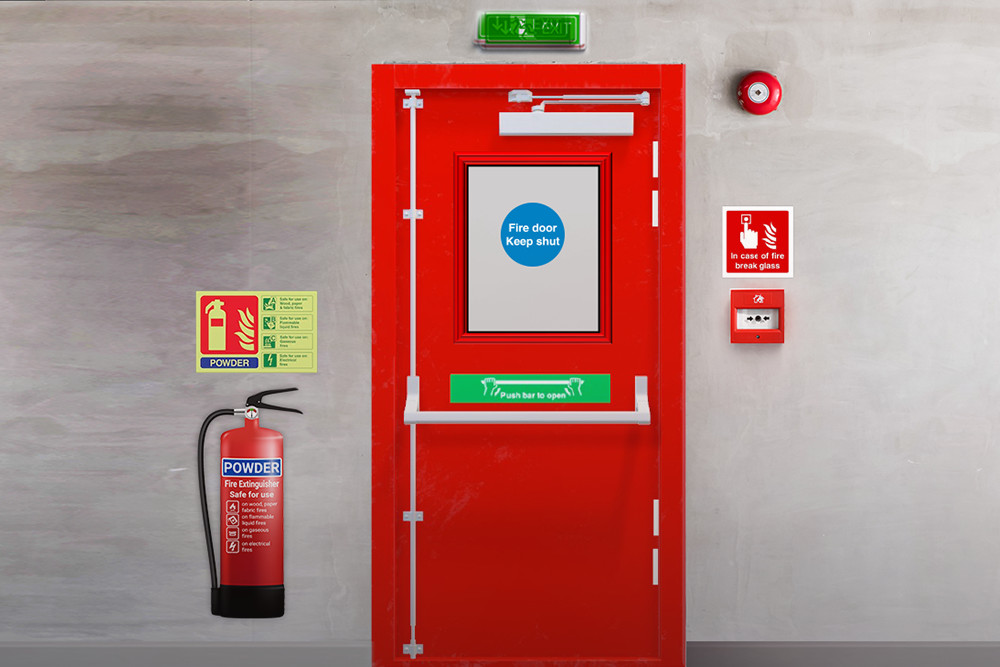
Walk the structure usually. Staircases, roof hatches, plant rooms, back-of-house passages, and secondary departures all matter in a pinch. After one drill, we discovered a service provider had stacked refrigerator boxes in front of a fire door that hardly ever saw web traffic. The location looked tidy from the major hallway. The threat hid in the corner. Weekly strolls would certainly have captured it sooner.
Get comfortable with fire systems. You do not require to be a specialist, but you ought to check out the FIP, recognize zone isolations, and recognize what a trouble versus alarm implies on your certain panel. On some EWIS, the emptying tone and the alert tone have similar patterns that puzzle brand-new wardens. Exercise toggling zones and making real-time announcements in monitored training sessions.
Fire warden training needs and refresh cycles
Fire warden needs vary by territory and structure use, but a number of patterns hold. Wardens, consisting of the chief warden, should complete formal training and refresh at routine periods. Yearly refresher courses are common for high-occupancy or complicated websites. Two-year cycles might serve for low-risk environments, provided you run drills at least twice a year and swear in new staff promptly.
Refreshers should not rework slides. Usage recent events and building changes. If your site included a new tenant fit-out with accessibility control adjustments, run a drill that evaluates the brand-new badge readers under emergency situation power. If a stairway pressurisation fault happened last quarter, clarify what altered after the fix and consist of a scenario that inspects system performance.
For evidence, keep training documents, presence logs, and post-drill records with action close-outs. Regulatory authorities and insurers take note of the paper trail. Extra importantly, the documentation shows your team that constant improvement matters.
Colour coding and visual cues
Wardens and primary wardens require to be quickly recognisable. That is where tabards, headgears, and hats been available in. Colour conventions vary by country and occasionally by organisation, yet in Australia, chief warden hat colour is commonly white. The chief fire warden hat or headgear is white for the principal, while flooring or location wardens often put on yellow. The deputy chief warden will in some cases use white with a various stripe or a marked tabard so they are simple to find at the chief fire warden hat colour control point. In some workplaces, red denotes an interactions warden or an initial attack firefighter, and environment-friendly might be scheduled for first aid. If you are asking what colour helmet does a chief warden wear, verify your regional standard, then make it regular throughout the site. Whatever you pick, educate it, classify it, and stock spares.
There is one functional care. Hats and helmets aid, however tabards are easier to store and faster to don, specifically for staff who put on head treatments or operate in duties where a headgear is not practical. The best setups keep both, utilizing safety helmets for risky commercial sites and tabards for offices and retail.
The ECO at work: an example from the field
A multi-storey office tower, mid-morning. An odor of melting reported on degree 12. The chief warden gets a telephone call from protection and a simultaneous alert on the fire indication panel. The zone shows a detector in a comms area, a known location. The chief warden transfers to the control point, puts on the white tabard, and opens the EWIS. They switch over degree 12 to alert tone and program a quick statement: wardens investigate, owners wait for instructions.
Area wardens on level 12 recognize on the radio. One approaches the comms space door. Warm exists, door surface area cozy, light smoke noticeable under the limit. They do closed the door. The chief warden intensifies to emptying tone for degree 12 and the flooring above, after that sends off wardens to take care of stairwells and straight people far from the smoke course. Security isolates the cooling and heating to prevent spread. The chief warden calls the fire brigade if the system has actually not currently done so immediately, and warden course satisfies staffs at the panel with a concise handover: presumed electrical fire in a comms room, doors closed, partial discharge underway, no reported injuries, stairwells clear, lifts isolated.
The brigade gets here and extend. The chief warden holds the line, keeps other floors on sharp, and appoints a runner to examine a renter with 2 mobility device individuals. Discharge proceeds. Within minutes, firemans verify a tiny shelf fire, managed swiftly. The chief warden maintains the discharge till the area is ventilated and the brigade offers the green light. After the incident, the chief warden documents times, actions, and issues. The debrief leads to an easy enhancement: install thermal discovery inside comms cabinets and update the renter's tools load limits.
This is the work. Not remarkable, yet disciplined.
Certification pathways and what good training looks like
If you look for a warden course or chief warden course, you will locate dozens of carriers. Select one that supplies the national units, PUAFER005 and PUAFER006, through an approved process and can demonstrate market experience. Classroom time issues, yet scenario-based functional training is where most learning lands. You want:
- Realistic simulations that utilize your building's layouts, radios, and PA system. Trainers who have worked occurrences, not just instructed from a book. Assessment that consists of decision-making, not just rote recall. Clear positioning in between puafer005 operate as part of an emergency control organisation and puafer006 lead an emergency control organisation, so wardens and chief wardens share language and expectations. Post-training tools like checklists, quick-reference radio manuscripts, and debrief themes you can in fact use.
Sit know a session if you can, or request for referrals from similar websites. A strong carrier will certainly also assist you shape your annual emergency monitoring strategy, incorporate with service providers that maintain your fire systems, and suggest on the cadence of drills.
Building the ECO: functions and structure
A chief warden does not lug the structure alone. The ECO consists of replacement chief warden, interactions officer, floor or area wardens, and wardens who move, aid, and manage assembly factors. In facility sites, you might include duties for occupants with specific needs, first aid, and security integration.
Structure must match the structure's risk account. A high-rise with blended occupants may appoint 2 area wardens per floor to cover leave. A distribution center with shift job requires wardens throughout all changes, not simply the day staff. A lab calls for wardens who comprehend control procedures and know when a common emptying can make points even worse by pressing fumes right into public areas.
Match people to roles with objective. A few of the most effective wardens I have actually seen are receptionists. They know that gets on website, keep a great head under pressure, and can route normally. In hefty market, seek crew leads who preserve discipline and understand the plant. Your replacement chief warden ought to be someone with real presence, not only a title holder.
The human side: residents that require extra help
Fire warden needs in the workplace should make up individuals that can not get down fifteen trips quickly. Individuals with short-term injuries, wheelchair disabilities, aesthetic or hearing differences, late-stage maternity, anxiety problems, and visitors unfamiliar with the website need thoughtful planning. Begin with Personal Emergency Situation Emptying Plans. Keep them discreet and functional. Identify friend systems and haven points. Gear up stairwells with evac chairs and train wardens who are literally capable and comfortable utilizing them. Do not think the best person is the right selection. Strategy and confidence trump brute force.
During drills, imitate, do not carry out, particular activities if there is any kind of risk of injury. Practice the steps with tools in regulated conditions. If a person favors to continue to be in place at a refuge point under a defend-in-place strategy, write that right into the strategy together with communication protocols and signage.
Coordination with emergency situation services
A chief warden is the bridge in between your building and the -responders. That partnership starts before the emergency situation. Welcome the regional brigade to a walkthrough. Show them the hydrant locations, fire control space, FIP, EWIS, sprinkler shutoffs, and the traits that only residents know. Exchange contact details for after-hours site access.
During an event, the handover is brief and structured: what you have, what you have done, what you require. Supply structure plans, tricks, impairment status, and headcounts if offered. After that go back and handle the occupants. Do not crowd the fire control area or darkness firemens unless welcomed. Your work advances the human side.
Policy, conformity, and confirming you meet chief warden requirements
For numerous organisations, chief fire warden requirements are tied to regulations, developing codes, and insurance problems. The specifics vary by jurisdiction, yet an auditor will certainly intend to see a current emergency plan, recorded ECO structure, training documents for wardens and chief wardens, a drill program with results and enhancements, and proof of system maintenance and disability management.
A cool method is to keep a one-page dashboard that shows your last training days for puafer005 and puafer006, present ECO roster with get in touch with numbers, last two drill dates with crucial actions, present fire system disabilities, and any kind of vital threats. Put it on the wall of the control factor and assess it monthly. It doubles as an instruction device when management modifications or when the site hosts a major event.
Technology, tools, and the limitations of gadgets
Radios, systems, mobile notification apps, and building management platforms can help or impede. Basic wins include pre-programmed radio networks, spare batteries on fee, laminated maps at the control point, and a go-bag with tabards, torches, spare glasses, and a whistle. For big schools, take into consideration mass alert tools that integrate with your accessibility control system. However evaluate them. Throughout one emptying, a streamlined app given in a Wi-Fi failure, while the old PA and radios won. Technology ought to enhance, not change, the basics.
Common challenges and just how to avoid them
The most constant failure is drift. A new chief warden gets educated, drills run well for a year, after that people relocate functions, radios go missing out on, and discharge representations age out. The cure is rhythm. Establish a calendar for quarterly ECO meetings, 2 drills a year, annual correspondence course, and monthly checks of gear and leaves. Treat it like procedures, not a once-a-year conformity tick.
Another challenge is over-evacuation. Pulling a full-building discharge for every single minor alarm system uses people out. Make use of the tools you have. Phase alert and discharge tones by zone, examine swiftly, and escalate decisively when needed. This is where puafer006 training earns its keep.
Finally, do not disregard post-incident tiredness. After a real occasion, wardens might really feel rattled. A short debrief that acknowledges effort, shares facts, and appoints convenient improvements does a lot more for durability than any type of poster on a wall.
Choosing and developing the best chief warden
If you are selecting a chief warden, try to find temperament initially, authority second, and technical understanding dexterity third. Titles aid, however the most effective chief wardens are constant communicators who welcome input and after that determine. Once you have the person, purchase them. Send them to chief warden training that consists of PUAFER006, pair them with a skilled deputy, and give them time to walk the site with maintenance, safety and security, and occupant reps. Encourage them to participate in an emergency warden course as an observer to see what their group finds out. Cross-training develops common understanding.
When a website is much from simple
Hospitals, research laboratories, high-rises with sky lobbies, shopping centres with thousands of short-term visitors, heritage structures with restricted egress, and industrial plants with dangerous products, each brings special challenges. A generic warden course is inadequate. Construct split plans. For a shopping centre, focus on area evacuations, retail renter control, and group administration. For laboratories, handle shut-down actions and control before emptying. In high-rises, method partial discharges by fire flooring, flooring above, and floor listed below. Work with your carrier to tailor emergency warden training that fits reality.
A short, sensible list for primary wardens
- Confirm ECO roster insurance coverage for all running hours, consisting of deputies and area wardens. Keep training existing: puafer005 for wardens, puafer006 for chief and deputy, with yearly refreshers that use site scenarios. Test interactions month-to-month: radios, manuscripts, call trees, and backups. Walk the website: departures, staircases, refuge points, setting up areas, and any jobs that transform egress. Maintain the kit: tabards, chief warden hat or headgear, lanterns, batteries, floor plans, and the log sheet at the control point.
Where the hat meets the hallway
Titles and certifications issue since they shape practices, but people make the difference. The chief warden's work resides in the area in between plan and practice. Obtain the fundamentals right with PUAFER005 and PUAFER006, choose training that pressures you to believe and act, and construct a society where wardens take pride in the duty. When the alarm system sounds, quality beats rate, preparation beats improvisation, and a stable voice can move a thousand individuals safely down the stairs.
Take your leadership in workplace safety to the next level with the nationally recognised PUAFER006 Chief Warden Training. Designed for Chief and Deputy Fire Wardens, this face-to-face 3-hour course teaches critical skills: coordinating evacuations, leading a warden team, making decisions under pressure, and liaising with emergency services. Course cost is generally AUD $130 per person for public sessions. Held in multiple locations including Brisbane CBD (Queen Street), North Hobart, Adelaide, and more across Queensland such as Gold Coast, Sunshine Coast, Toowoomba, Cairns, Ipswich, Logan, Chermside, etc.
If you’ve been appointed as a Chief or Deputy Fire Warden at your workplace, the PUAFER006 – Chief Warden Training is designed to give you the confidence and skills to take charge when it matters most. This nationally accredited course goes beyond the basics of emergency response, teaching you how to coordinate evacuations, lead and direct your warden team, make quick decisions under pressure, and effectively communicate with emergency services. Delivered face-to-face in just 3 hours, the training is practical, engaging, and focused on real-world workplace scenarios. You’ll walk away knowing exactly what to do when an emergency unfolds—and you’ll receive your certificate the same day you complete the course. With training available across Australia—including Brisbane CBD (Queen Street), North Hobart, Adelaide, Gold Coast, Sunshine Coast, Toowoomba, Cairns, Ipswich, Logan, Chermside and more—it’s easy to find a location near you. At just $130 per person, this course is an affordable way to make sure your workplace is compliant with safety requirements while also giving you peace of mind that you can step up and lead when it counts.